Your Thyroid Needs More Than Brazil Nuts
Oct 13, 2026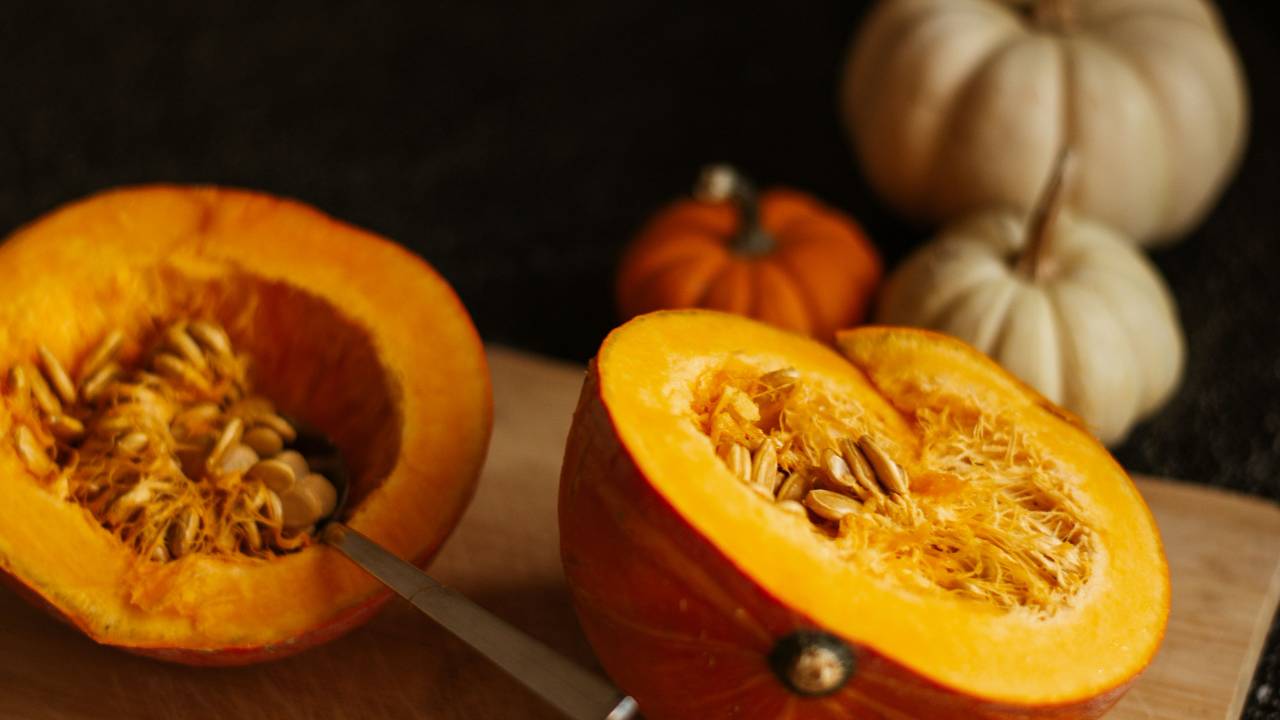
If you’ve been reading up on your thyroid, you’ve probably come across selenium. Two or three Brazil nuts a day, and you’re sorted. Right?
Not quite.
Selenium really does matter. It helps your body turn thyroid hormone into the active form that gives you energy. But your thyroid is part of a much bigger picture, and when women tell me they’re eating their Brazil nuts and still waking up exhausted, foggy and cold, that’s my cue to look at everything else.
So let’s talk about what else your thyroid needs.
Iron
Your thyroid needs iron to make its hormones. And in perimenopause, iron is one of the first things to drop, especially if your periods have become heavier. So many of my ladies are told their iron is “fine” when their stores (ferritin) are sitting right at the bottom of the range. Low iron and a sluggish thyroid can look almost identical. Tired, breathless on the stairs, hair coming out in the shower. It’s worth knowing your numbers.
Zinc
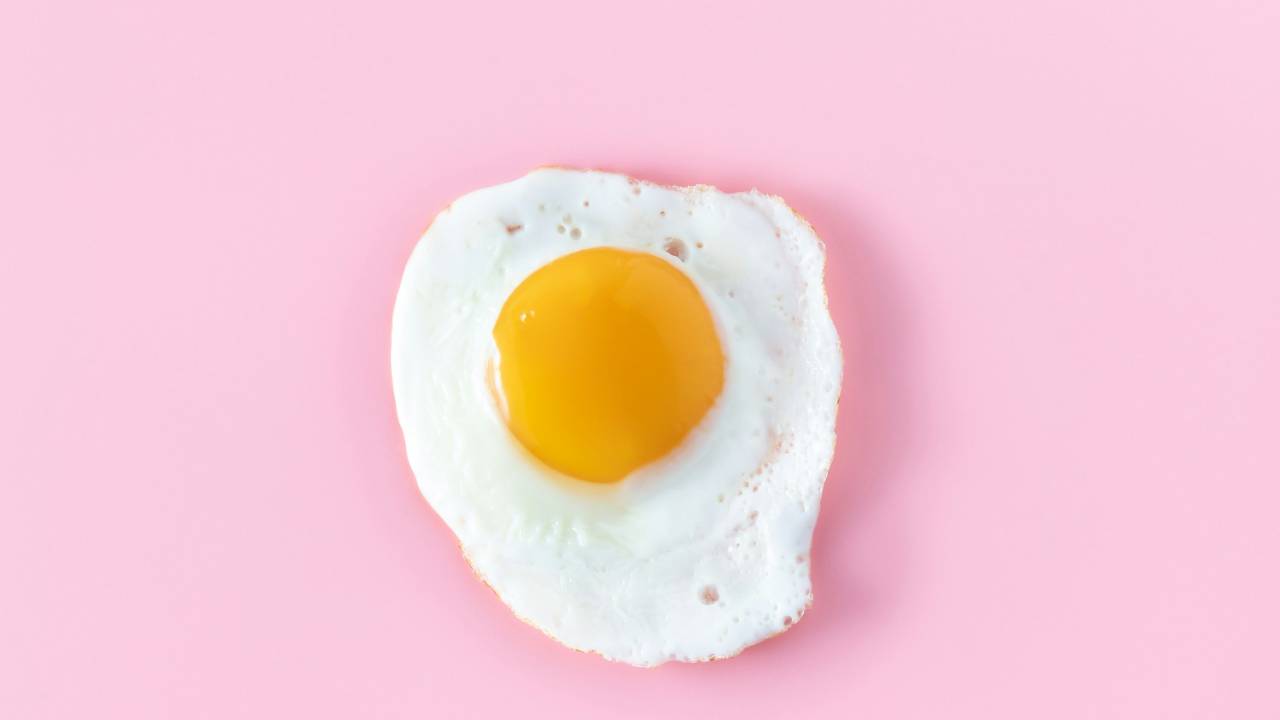
Zinc helps your body make thyroid hormone and helps convert it into the active form. You’ll find it in shellfish, red meat, pumpkin seeds and eggs. If you’re mostly plant-based, it’s worth paying a bit more attention to this one.
Vitamins D3, A and E
Living in the UK, most of us are low in vitamin D for a big chunk of the year. Low vitamin D is linked with the autoimmune side of thyroid problems, which is where your own immune system starts affecting your thyroid. That’s actually the most common cause of an underactive thyroid, and it’s something TSH alone won’t show you.
If you’re taking a supplement, look for vitamin D3. It’s the form your body makes from sunlight, and it’s better at raising your levels than D2. And it’s worth getting your level tested, so you know where you’re starting from rather than guessing.
Vitamin D works hand in hand with vitamin A. Your thyroid hormone has to get into your cells to give you energy, and vitamin A helps it do that job. You’ll find it in eggs, oily fish, liver and butter, and your body can make it from orange and green veg like carrots, sweet potato and spinach. This is one where more isn’t better, so get it from food first rather than reaching for high-dose supplements.
And vitamin E. Making thyroid hormone creates a bit of wear and tear inside your thyroid, and vitamin E helps protect it. It works alongside selenium, so your Brazil nuts and vitamin E are a good team. You’ll find it in nuts, seeds, avocado and olive oil.
Iodine, with care
Your thyroid uses iodine to make its hormones, so you need enough. But again, more is not better. Too much can cause problems of its own, so please don’t start taking kelp or seaweed supplements without knowing where you stand. Fish, eggs and dairy give most women a good amount.
Your gut
Here’s one most women never hear about. A good chunk of the conversion of thyroid hormone into its active form happens in your gut. So if your gut is out of balance, with bloating, constipation or a history of antibiotics, the contraceptive pill, long-term stress, your thyroid can be affected too. It’s all connected.
Your blood sugar and stress
When you’re running on stress, skipping meals or riding the blood sugar rollercoaster, your body goes into protect mode. One of the ways it does that is by slowing down thyroid hormone conversion. It’s your body trying to save energy. Clever, but not helpful when you’ve got a full day ahead of you.
So you can be eating all the right things, and if you’re stressed to the eyeballs and grabbing toast on the run, your thyroid will still feel it.
Sleep
Your body repairs and rebalances overnight. If you’re waking at 3am and never getting proper deep sleep, everything gets harder, your thyroid included.
Why your test results matter
All of this is why I talk so much about testing. A routine GP check often only looks at one marker, TSH. It tells you whether your brain is asking your thyroid to work harder. It doesn’t tell you whether your thyroid is actually making enough hormone, whether your body is converting it properly, or whether your immune system is getting involved.
So many women sit in what’s called subclinical for years. Their results are in range, they’re told they’re normal, and they’re left feeling anything but. And left alone, it rarely sorts itself out.
You don’t have to wait for it to get worse. Once you know what’s really going on underneath, you can start making changes early, while things are still gentle to turn around.
So where do you start?
Keep your Brazil nuts. But look at the whole picture too. Eat regular meals with good protein. Look after your gut. Get some daylight. Protect your sleep. And if you’re still struggling, ask for more than TSH. You deserve the full picture.
Does that make sense?
Not sure where to start? My perimenopause and menopause quiz is a great place to begin. Take my quick hormone quiz; it only takes a couple of minutes, and you’ll get a clearer idea of what your body might be asking for.